
As we move into 2026, the indie game market is more competitive than ever. Players have developed "prestige" ears; they expect a level of sonic immersion that was once reserved only for AAA titles. For a developer, audio is no longer just a finishing polish: it’s a retention tool and a marketing powerhouse.
If you are planning your production cycle for 2026, you cannot afford "Audio Debt", the technical and creative bottleneck that happens when sound is left for the final month of development.
Here is the strategic roadmap to integrating high-level audio into your 2026 workflow to ensure your game sounds as good as it plays.
1. Move from "Loops" to "Systems"
In 2026, static background music is a relic of the past. International audiences crave Adaptive Audio. This means music that shifts intensity based on the player’s health, the number of enemies on screen, or the discovery of a new area.
The Strategy: Instead of commissioning a 3-minute track, think in "stems" and "layers." By designing vertical layers of intensity, your audio becomes a living part of the gameplay, reacting in real-time to the player’s journey.
2. The Power of "Tactile" Sound Design
With the rise of handheld PC gaming (Steam Deck 2, ASUS Ally) and advanced haptics, sound design in 2026 must be tactile. Every UI click, every footstep on gravel, and every sword clink needs to feel "heavy" and intentional.
Pro Tip: Don't just use library sounds. Custom-recorded foley gives your game a unique sonic fingerprint that makes it stand out in a sea of generic assets.
3. Middleware: The Bridge to Efficiency
If your developers are manually coding every .wav trigger into the engine, you are wasting precious resources. In 2026, utilizing middleware like FMOD or Wwise is the standard for efficient production.
It allows sound designers to iterate, mix, and optimize the game's audio environment without touching a single line of your core gameplay code. This speed of iteration is what separates successful launches from delayed ones.
4. Audio as a Marketing Asset
Think about the most successful indie trailers of the last year. What do they have in common? Synchronized Audio. When your sound design is integrated early, you can create "audio-first" trailers where the music and SFX sync perfectly with the action. This creates a psychological impact that significantly increases wishlist conversion rates on Steam and the Epic Games Store.
Don't Leave Your Game’s Identity to Chance
The difference between a "good" game and a "memorable" game often lies in the frequencies the player hears. As you map out your 2026 milestones, don't let audio be an afterthought that drains your remaining budget.
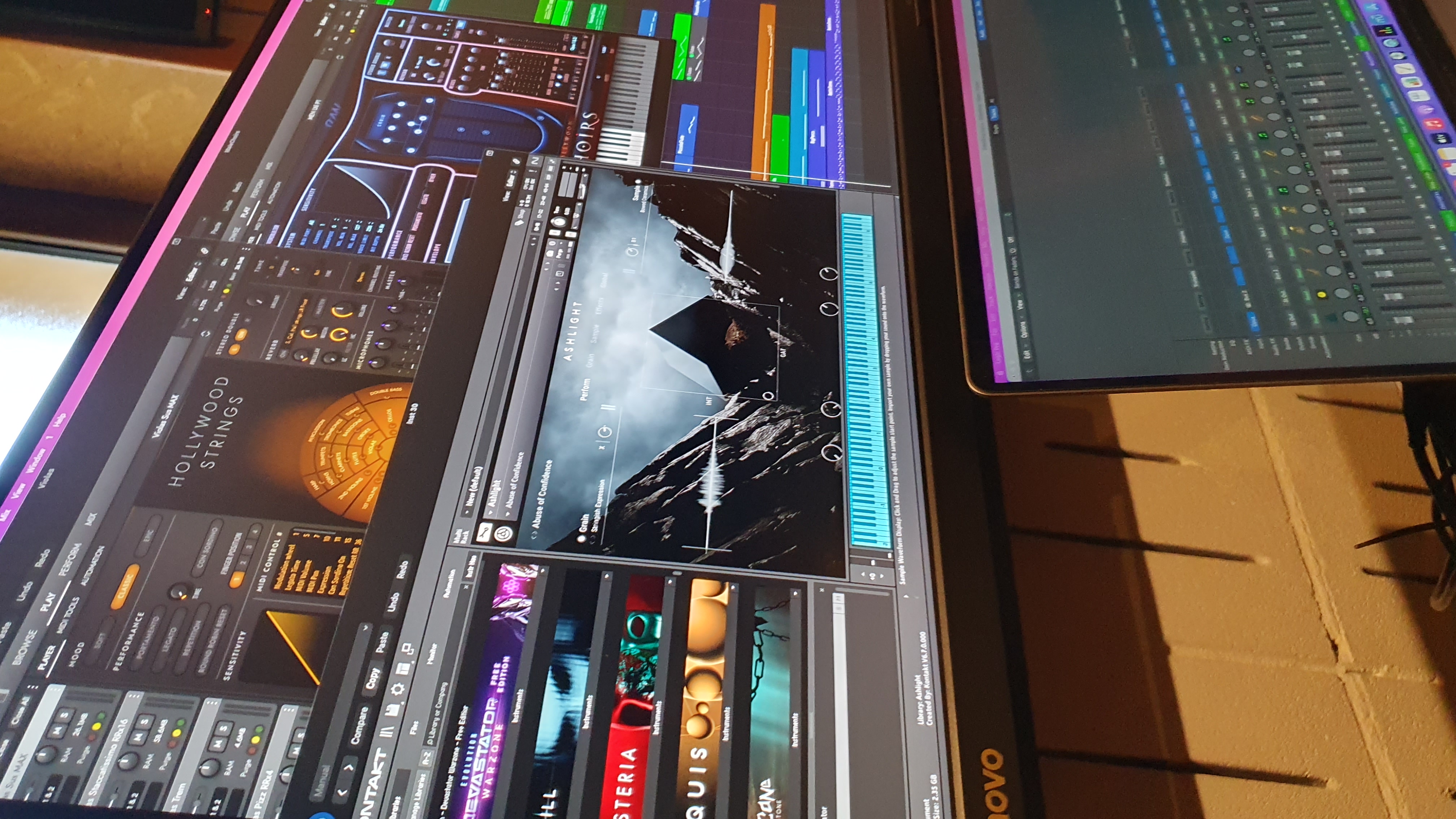
At Tortuga Soundtracks, we don't just "deliver files"—we act as your external audio department, ensuring that your game's sonic identity is baked into the experience from the first prototype to the final build.
Ready to define the sound of 2026?
We are currently opening our production calendar for new projects. Let’s ensure your game has the professional edge it deserves.
[Click here to book a free 15-minute Strategy Call with Tortuga Soundtracks]
Let’s build an immersive world together.